Design Manifsto
Peggy Lunney28/10/2023
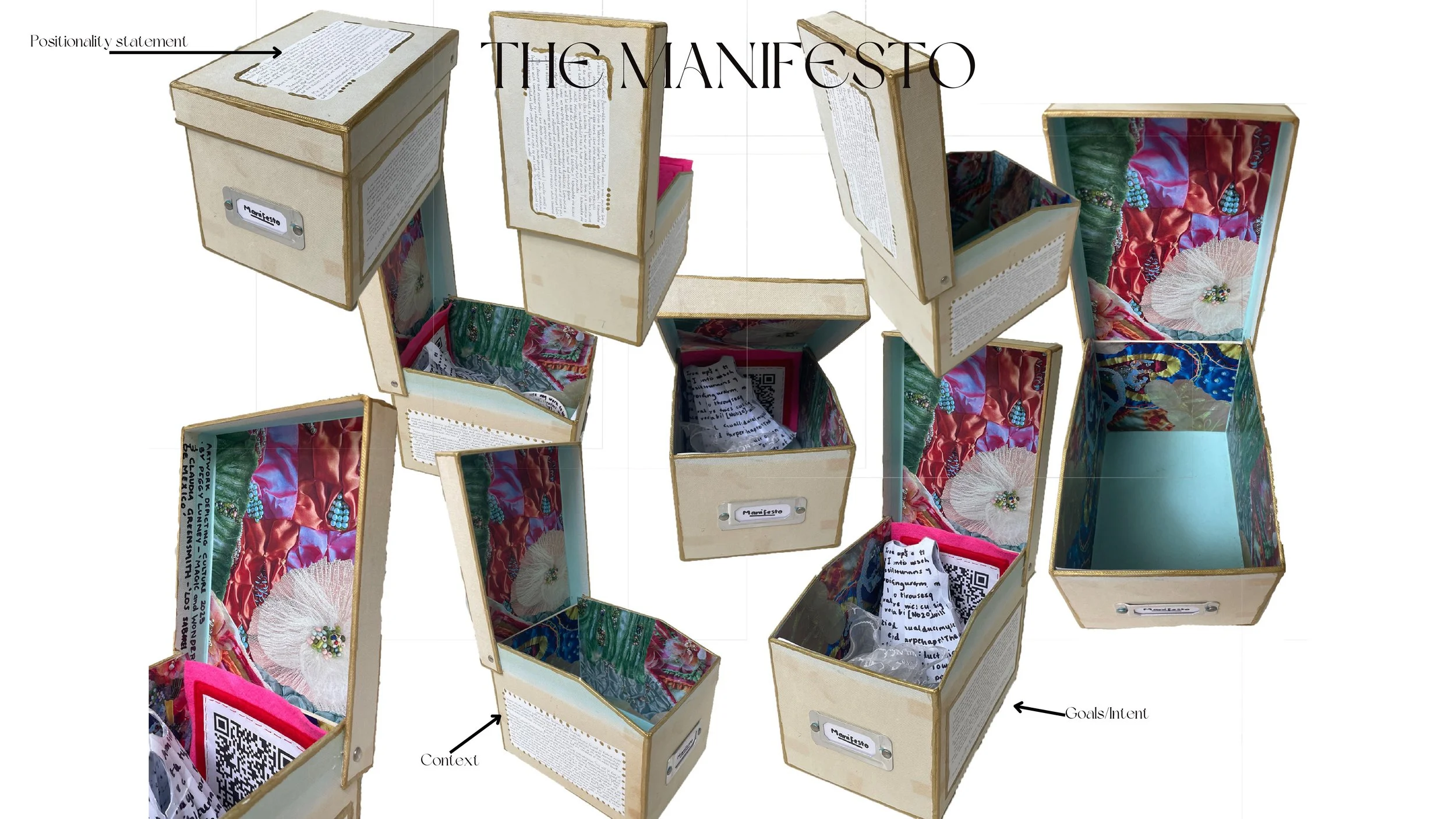
Positionality Statement:
As an Anglo-Celtic Australian woman living in Melbourne, I access great privilege, free of racial prejudices. Coming from a Western culture, holding cultural power, I acknowledge there is a need to take extra care when appreciating cultural practices.
I was born in Australia to Australian-born parents, who I live with in Glen Iris, placing me in an upper-middle class bracket. I grew up spending time on a farm, so a connection to nature and a passion for sustainability has a huge role in my practice. I acknowledge the social, political, and environmental privilege this provides.
Being a young woman, 22 and studying a bachelor’s, I acknowledge the access that will be afforded to me through my youth and tertiary education.
I spent my early-adolescent years experiencing disabilities. Through experiencing a chronic pain disorder, with limited movement, my knowledge and perspective of society was impacted. These experiences have influenced my empathy and appreciative perspective. Without the ability to walk, my energy was directed to non-physical practices which cemented my interest in creating fashion.
My identity and my positionality are deeply influenced by womanhood; I consider myself a feminist with commitment to reducing structures that perpetuate rigid gender expectations and stereotypes, including body image and the right to one’s body. This is reinforced by my employment as a model.
Goals/intentions:
In the creation of my manifesto and toolkit, I was primarily driven by the desire to learn about things that may make me slightly uncomfortable. I previously didn’t understand the difference between cultural appropriation and appreciation, and now, although still an ambiguous topic, I feel as I have the skills to navigate this as a designer. I aim to create guidelines to guide me along an ethically conscious career. As you get further away from your education, elements tend to get lost, therefore, I aim to create a resource to revisit to remind myself to design from a culturally sensitive and educated perspective.
As a designer I am inspired by slow processes that create ‘magic’ and aura in fashion, much like Harper speaks of in “Aesthetic Sustainability: Product Design and Sustainable Usage”. These topics align in the space where cultural practices often include slow, intentional processes. The “cross-fertilisation” (Nute, 2020) between cultural practices are important in spreading the magic held within, however, it’s imperative to appreciate and not harm. I hope to create a manifesto that acknowledges my own privileges and gives tangible steps for the responsible use of cultural ideals in fashion.
Nute, K. (2019) ‘Toward a Test of Cultural Misappropriation’, The International Journal of Critical Cultural Studies, 17(2), pp. 67–82. doi:10.18848/2327-0055/cgp/v17i02/67-82.
Harper, K. (2018) ‘5: The Magical Thing’, in Aesthetic sustainability: Product design and sustainable usage. 1st edn. Abingdon, Oxon: Routledge (Routledge Studies in Sustainability).
Context: New Business Model Proposal
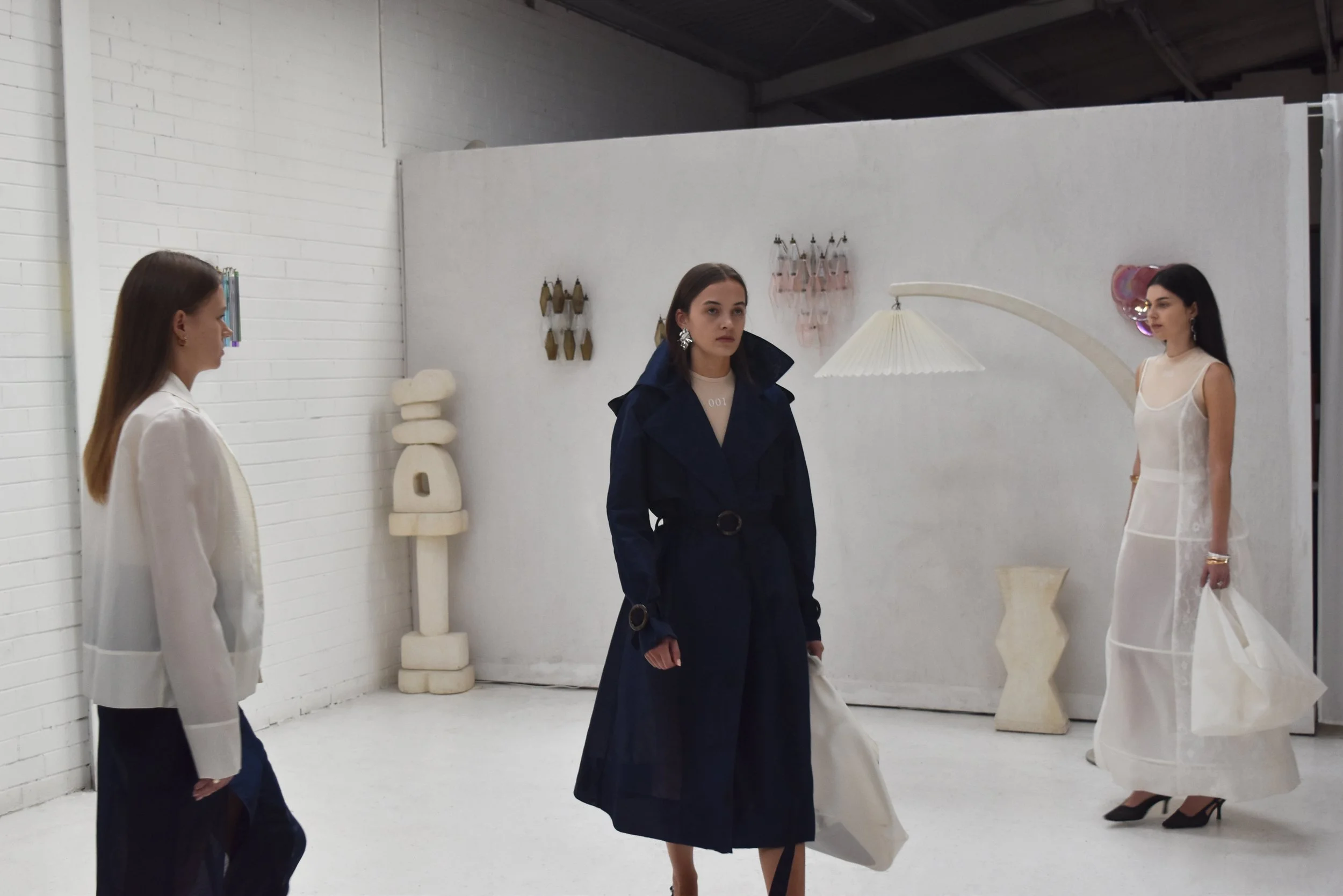
I propose the new business model of conscious and intentional craftsmanship focused on diverse voices from varying cultures and experiences. With the aid from equally beneficial cultural partnerships and cultural research, “Deliberate Cultural Craftsmanship” will focus on the slow, sustainable, magical practices through the lens of cultural appreciation and the spreading of the magic found in diverse cultural practices.
“Deliberate Cultural Craftsmanship” rejects damaging cultural appropriation. This will be done by following Nute’s suggestions surrounding cultural powers, significance, and recognisability. Instead, it will celebrate the slow practices outlined in Harper’s theory in “Aesthetic Sustainability: Product Design and Sustainable Usage” of the creation of magic lying in slow, deliberate processes. Many of these slow practices rely heavily on craftsmanship and are seen in cultures throughout the world. It is arrogant to assume that one has nothing to learn from cultures outside their own, the cross-fertilisation of fashion practices can lead to beautiful new innovative design ideas when done with respect and careful education. Considering the content in both Harper and Nute’s texts, this model is a proposal that will do this with careful cultural consideration, knowledge, sensitivity, involvement, and awareness. By staying aware and informed, gaining diverse voices and input, avoiding harmful behaviours and participating respectful appreciation, this new model is building a recipe for successful cultural craftsmanship and magic.
Design Principles
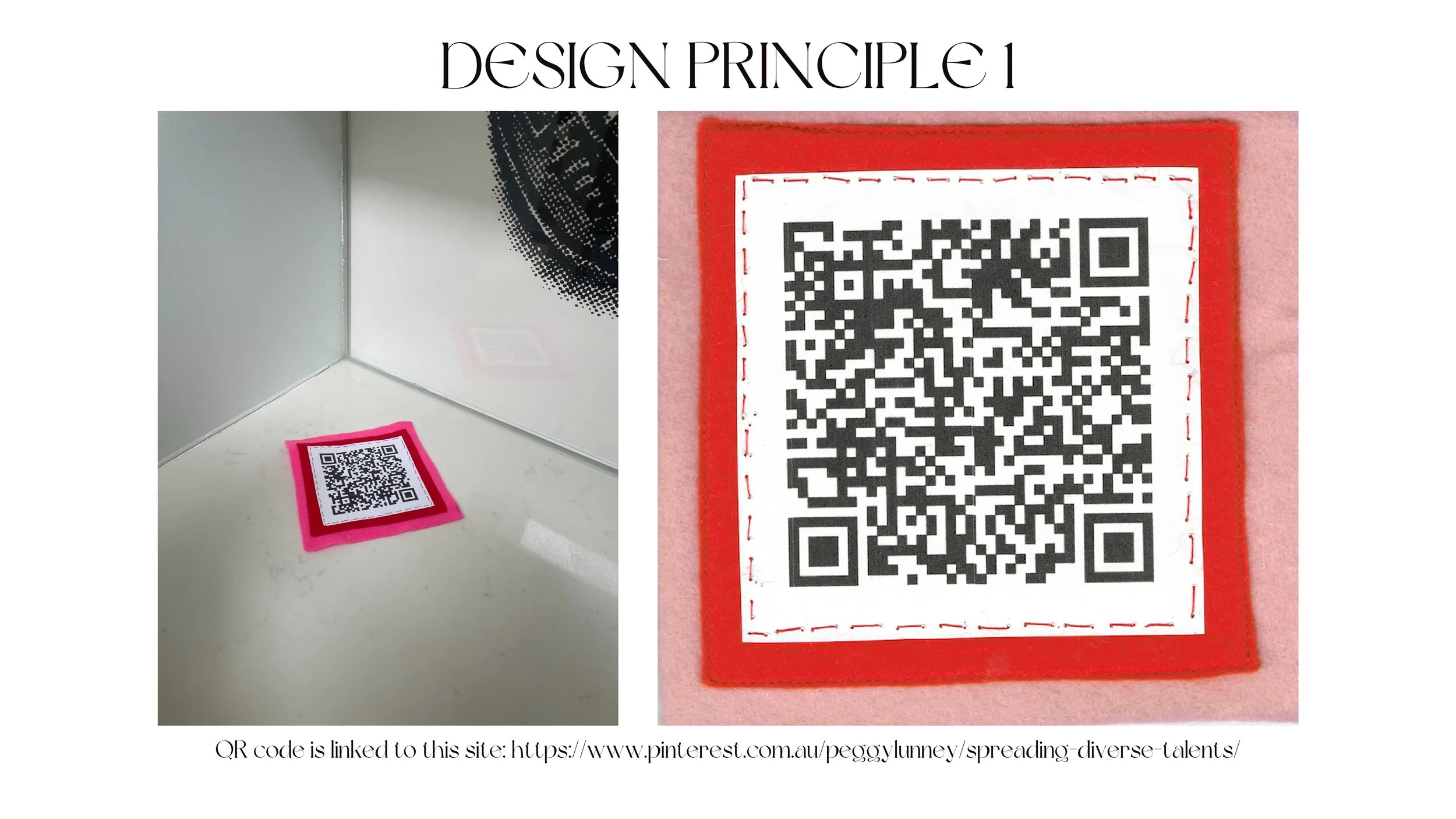
Privilege should not be used to ignore those less privileged. I will actively work to support marginalised communities and their cultural practices. I will not discount the knowledge of other cultures with less privilege. I will look to new practices to draw inspiration, but not to appropriate. Nute’s text acknowledges that “cross fertilisation has always been a key part of cultural development” which has benefitted society throughout history by leading to new advancements. The sharing of knowledge is beneficial and positive. I acknowledge that I can use my privileged platform as a designer to bring awareness to minority cultural practices, and not just focus on western techniques.
I will proactively up-skill and educate myself. I will work to continue to research the possible cultural connotations of my decisions to avoid causing cultural harm and misappropriation. I will do this though researching relative cultural power dynamics and cultural significance and recognisable [Nute, 2020]. I will source inspiration and continually educate myself on techniques and cultural meanings. In particular, on slow, magical techniques explored in Harper’s chapter “The Magical Thing” in “Aesthetic sustainability: Product design and sustainable usage”. Nute’s principles in and comprehension, therefore, I vow to make this a priority, and try to not live in ignorance.
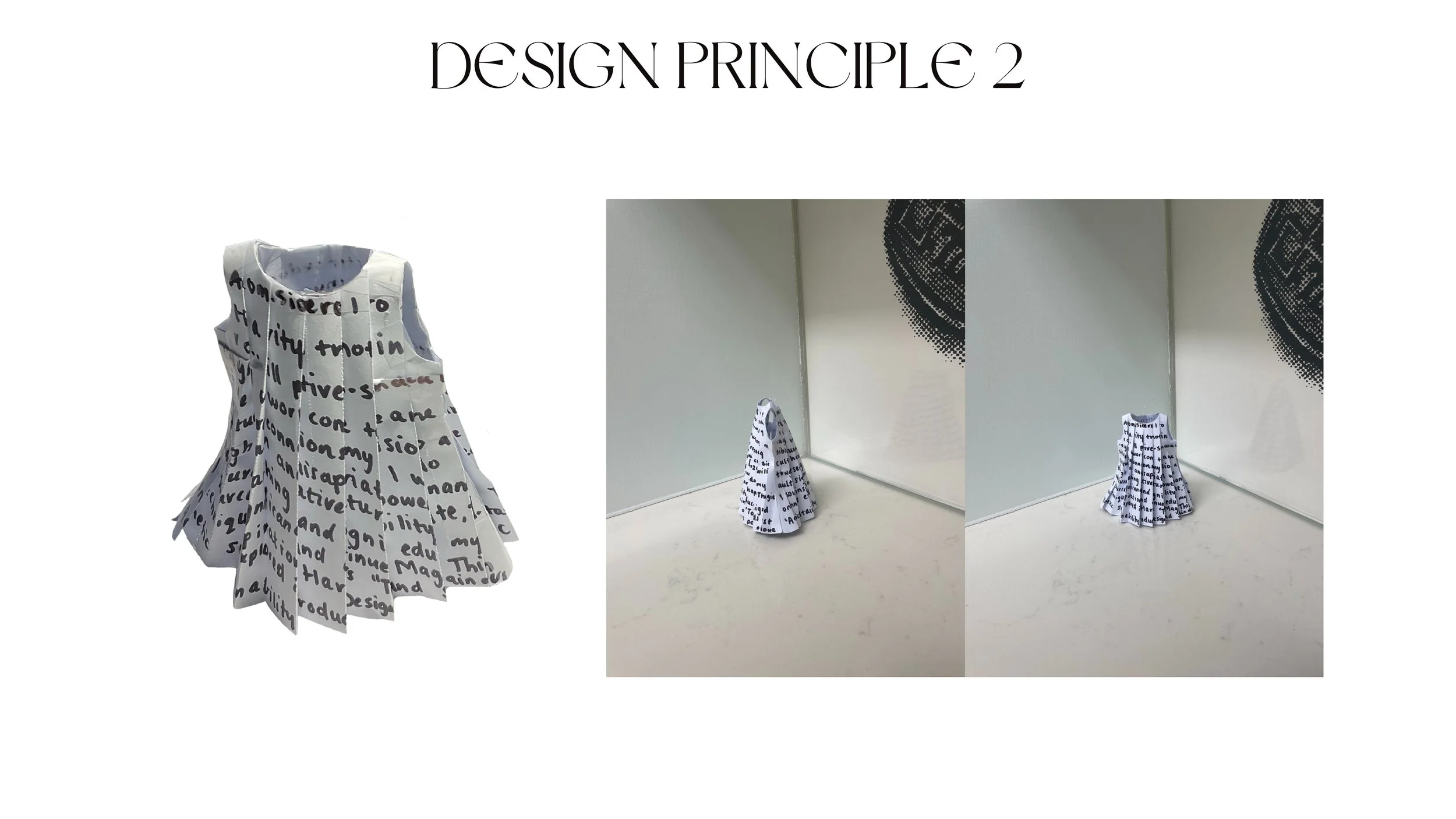
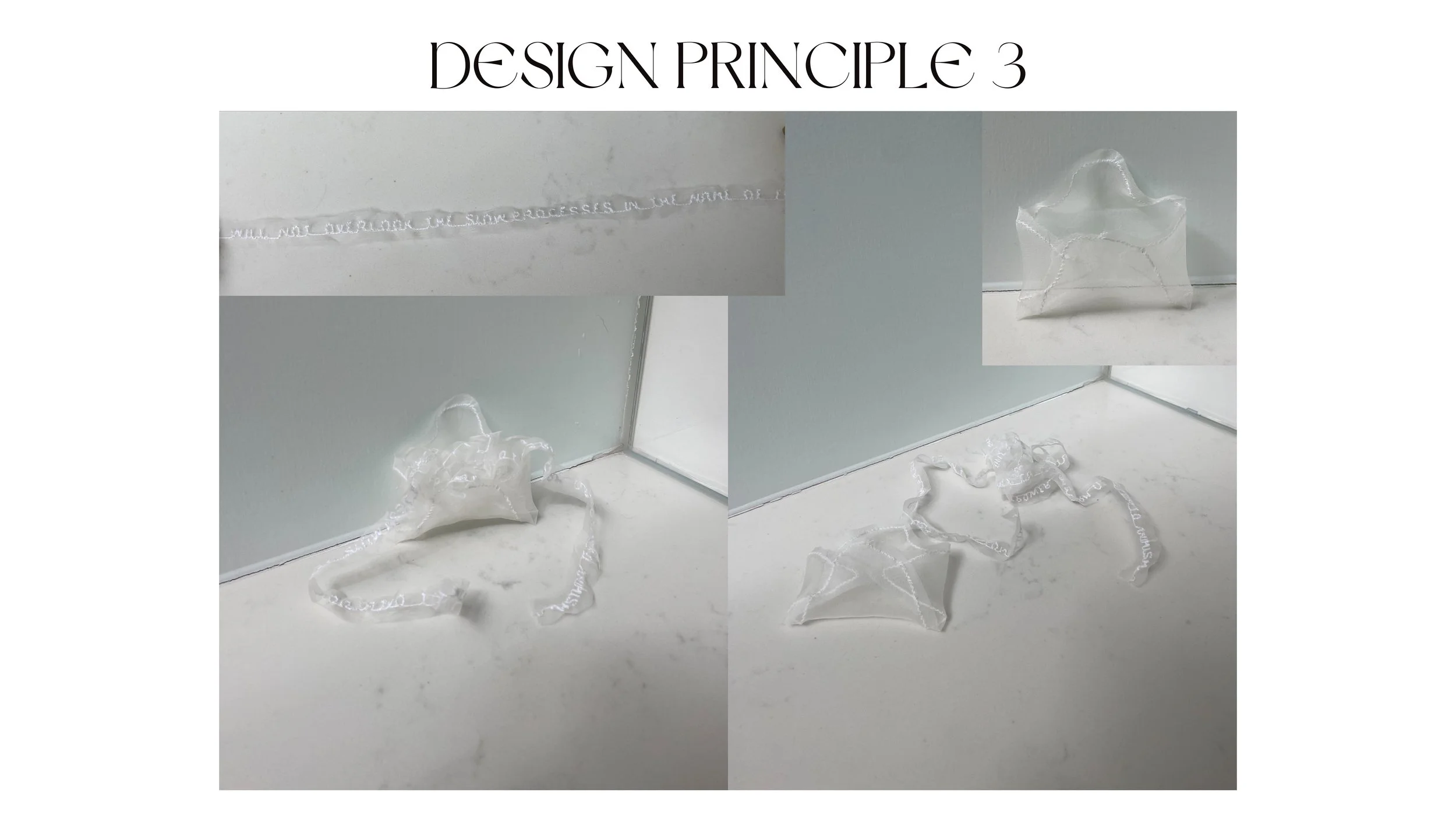
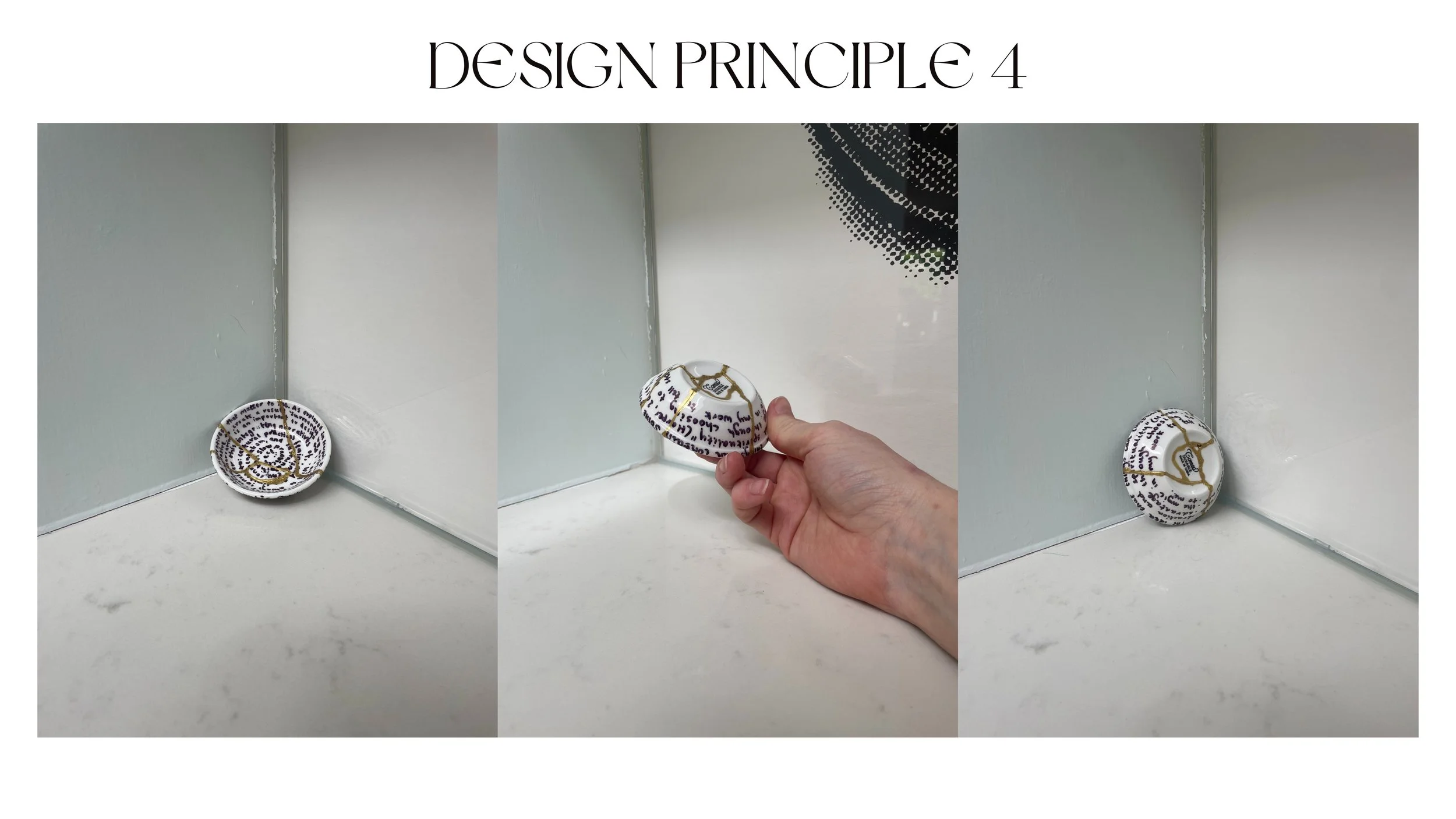
I will not overlook the slow processes in the name of fast convenience. I will appreciate the beauty in the small details as these techniques are the ones that have the power to “attract attention, compel interest, and establish an immediate and intuitive connection to the viewer” (Harper, 2018). This concept also links in with Nute’s ideals about cultural practices, as these often rely on slow techniques and skilled craftsmanship in order to compel magic. Slow practices hold to power to transform objects into animism, and with this acknowledgement, I pledge to not overlook the inclusion of these practices because these are ‘harder’ or take more time and effort.
I will use my work to tell narratives that matter to me. As explored in Harper’s ‘The Magical Thing’, in ‘Aesthetic sustainability: Product design and sustainable usage’, creatives use narrative to create a result “surrounded by an aura” (Harper, 2018). I believe narrative is an important element to design and I wish to always consider this, integrating narratives of, and not limited to: cultural practices, feminism, environmentalism and sustainability, slow practices etc. “The idea that things can contain some form of auratic power of attraction and spirituality” (Harper, 2018) can be used to my advantage through choosing to use the content of the magic in my work to tell stories that matter most to me.
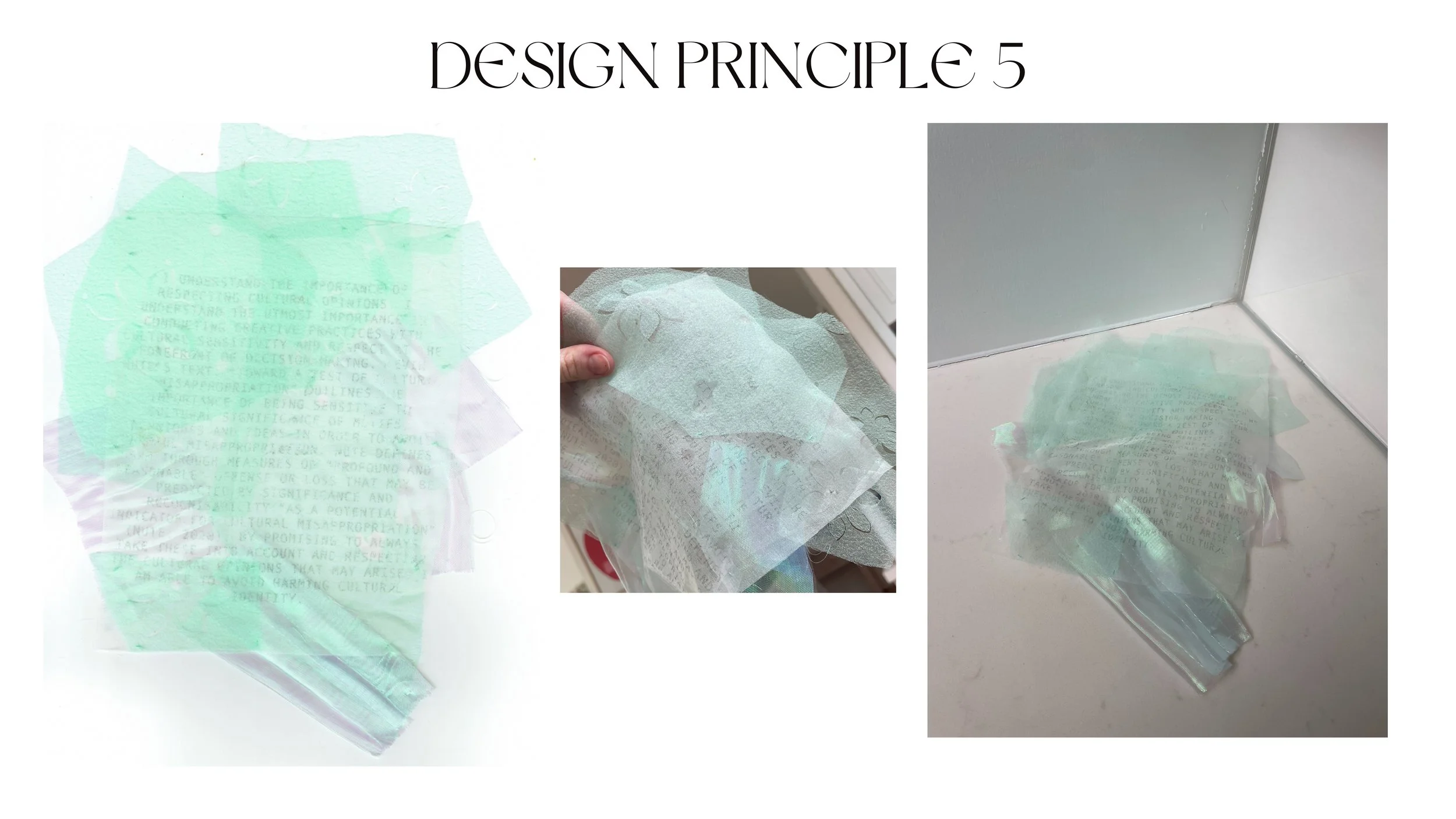
I understand the importance of respecting cultural opinions. I understand the utmost importance in conducting creative practices with cultural sensitivity and respect at the forefront of decision-making. Kevin Nute’s text, “Toward a Test of Cultural Misappropriation” outlines the importance of being sensitive to cultural significance of motifs, techniques and ideas in order to avoid harmful misappropriation. Nute defines harm through measures of “profound and reasonable” offense or loss that may be predicted by significance and recognisability “as a potential indicator for cultural misappropriation” (Nute, 2020). By promising to always take these into account and respecting the cultural opinions that may arise, I am able to avoid harming cultural identity.
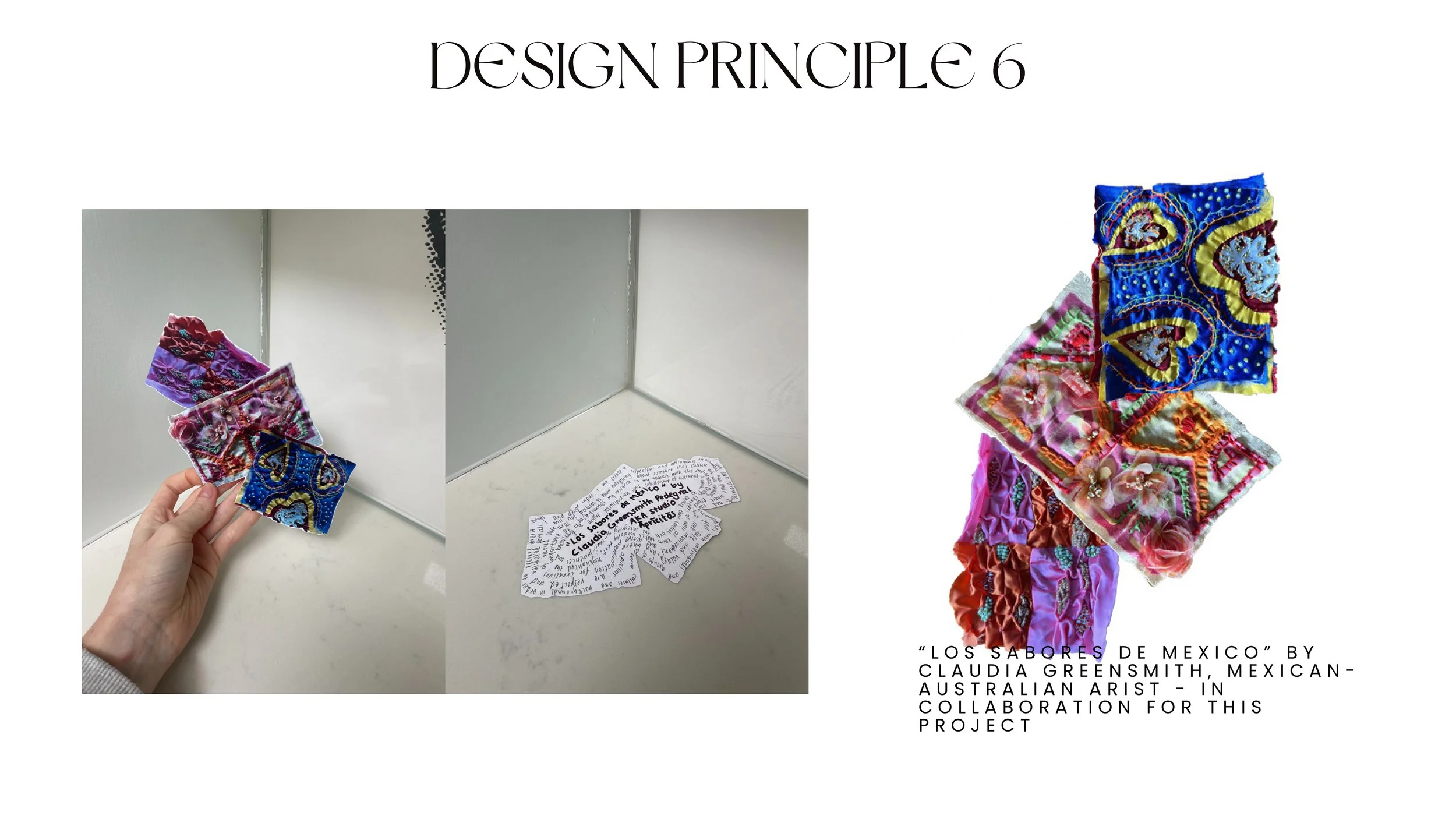
I will seek partnerships and collaborations with individuals and groups of diverse cultures and backgrounds in order to receive diverse voices and design input. I will create a respectful and welcoming environment and space where people will feel safe and heard, and where opinions are respected and validated from all. I will not proclaim to know everything about someone else’s culture, and will always seek involvement and active participation for creatives of various cultural backgrounds. My research in the toolkit with the Indigenous Design Charter, as well as Nute’s “Toward a Test of Cultural Misappropriation”, highlighted the importance of the active participation and leadershop of cultural artists to ensure their representation and control over their practices and knowledge.
References:
‘TSUGIHAGI’ TEXTILE DESIGNED BY KAZUHIRO UENO FOR NUNO CORPORATION (2005) Powerhouse Museum. Available at: https://collection.powerhouse.com.au/object/354378 (Accessed: 30 September 2023).
Bamford, M. (2019) Gorman Mangkaja collection breaks new ground for Indigenous fashion design collaboration, ABC News. Available at: https://www.abc.net.au/news/2019-07-21/gorman-fashion-label-collaborates-with-indigenous-artists/11328248 (Accessed: 27 July 2023).
Kennedy, R. Kelly, M. Greenaway, J. Martin, B. (2017) Australian Indigenous Design Charter. Available at: https://indigenousdesigncharter.com.au/australian-indigenous-design-charter/ (Accessed: 30 July 2023).
Nute, K. (2019) ‘Toward a Test of Cultural Misappropriation’, The International Journal of Critical Cultural Studies, 17(2), pp. 67–82. doi:10.18848/2327-0055/cgp/v17i02/67-82.
Harper, K. (2018) ‘5: The Magical Thing’, in Aesthetic sustainability: Product design and sustainable usage. 1st edn. Abingdon, Oxon: Routledge (Routledge Studies in Sustainability).
Pesaran, D. (2020) Kamiko, Washi and Takuhon-shi: Making paper clothing in Japan, EMPK. Available at: https://www.emkp.org/kamiko-washi-and-takuhon-shi-making-paper-clothing-in-japan/ (Accessed: 20 October 2023).
Manzella, K. P. (2014) Kintsugi – Art of Repair, Traditionally Kyoto. Available at: https://traditionalkyoto.com/culture/kintsugi/ (Accessed: 20 October 2023).